




Wellness
An Expert’s Guide on Strength Training vs Pilates
The Benefits, Differences and How to Combine Both
From Pilates princesses to strength-training routines flooding all of our social feeds, both workouts are having a major moment especially within the women’s health space. Trying to build strength, improve your posture or simply move your body more consistently, deciding between strength training and Pilates can feel overwhelming.
We spoke to Brooke Daubney, KX Product and Innovation Manager to help understand how both forms of exercise offer impressive physical and mental benefits, they each target the body in different ways and can play unique roles in your fitness routine. To help break down the key differences and explain why you don’t necessarily have to choose one over the other, Brooke shares her expert insights on how each training style works, who it’s best suited to, and how combining both can deliver the ultimate results.
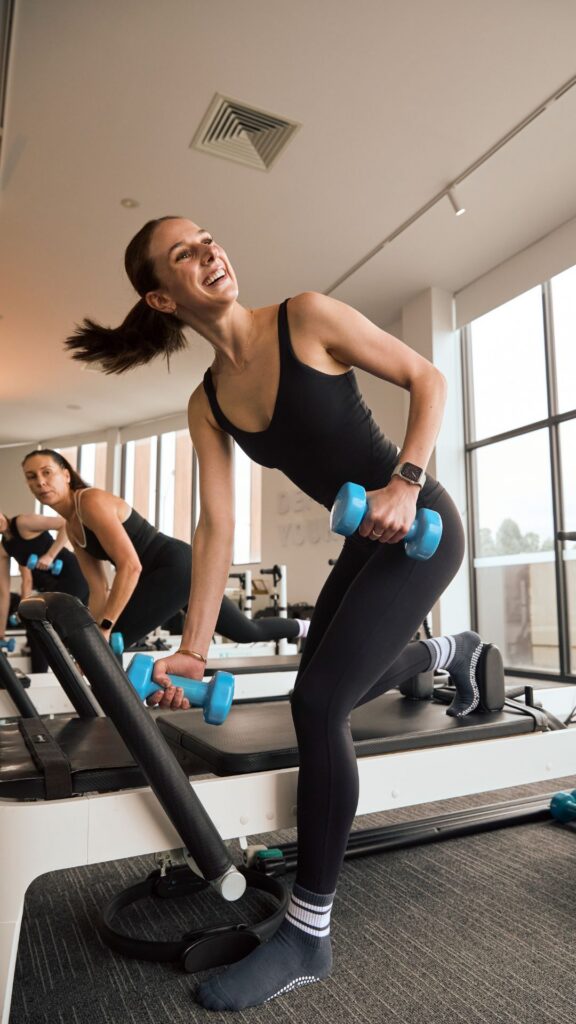
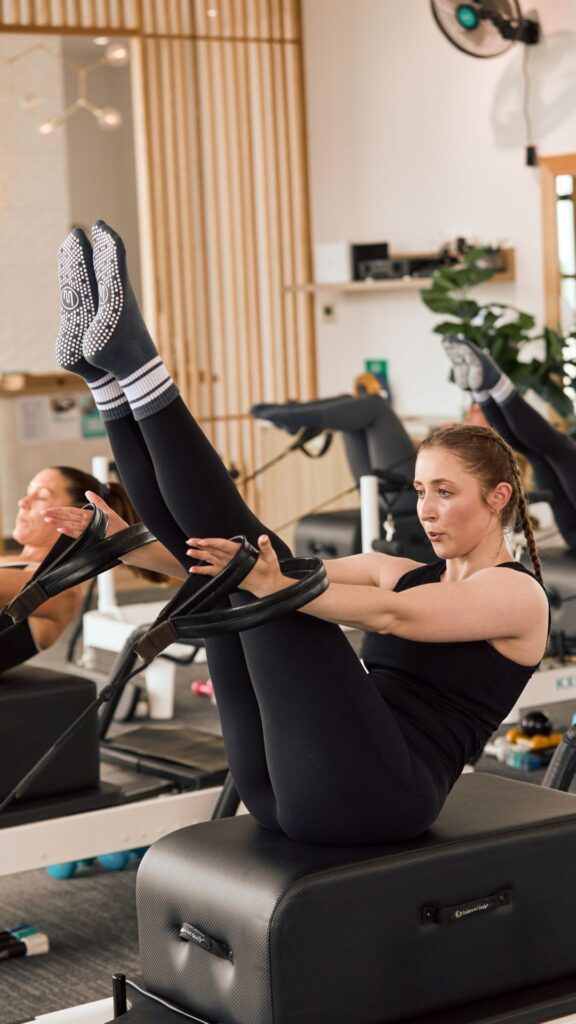
Pilates and strength training are often compared, but are they actually trying to achieve the same thing?
While there is certainly some crossover, they are typically developing different qualities of strength. Traditional strength training is primarily focused on building maximal strength by progressively increasing the amount of load you can lift. It’s one of the most effective ways to increase muscle mass, bone density and your ability to produce force.
Pilates, on the other hand, is more commonly focused on developing strength endurance. This is your muscles’ ability to repeatedly produce and sustain force over time. You’re often working under constant tension with higher repetitions, while also challenging stability, control, coordination and mobility.
The biggest misconception is that one is better than the other. They simply serve different purposes. Strength training builds your capacity to produce force, while Pilates develops the control, movement quality and muscular endurance needed to use that strength efficiently. Together, they create a more well-rounded approach to fitness than either can achieve on its own.
What are the unique benefits of Pilates that strength training doesn’t necessarily provide?
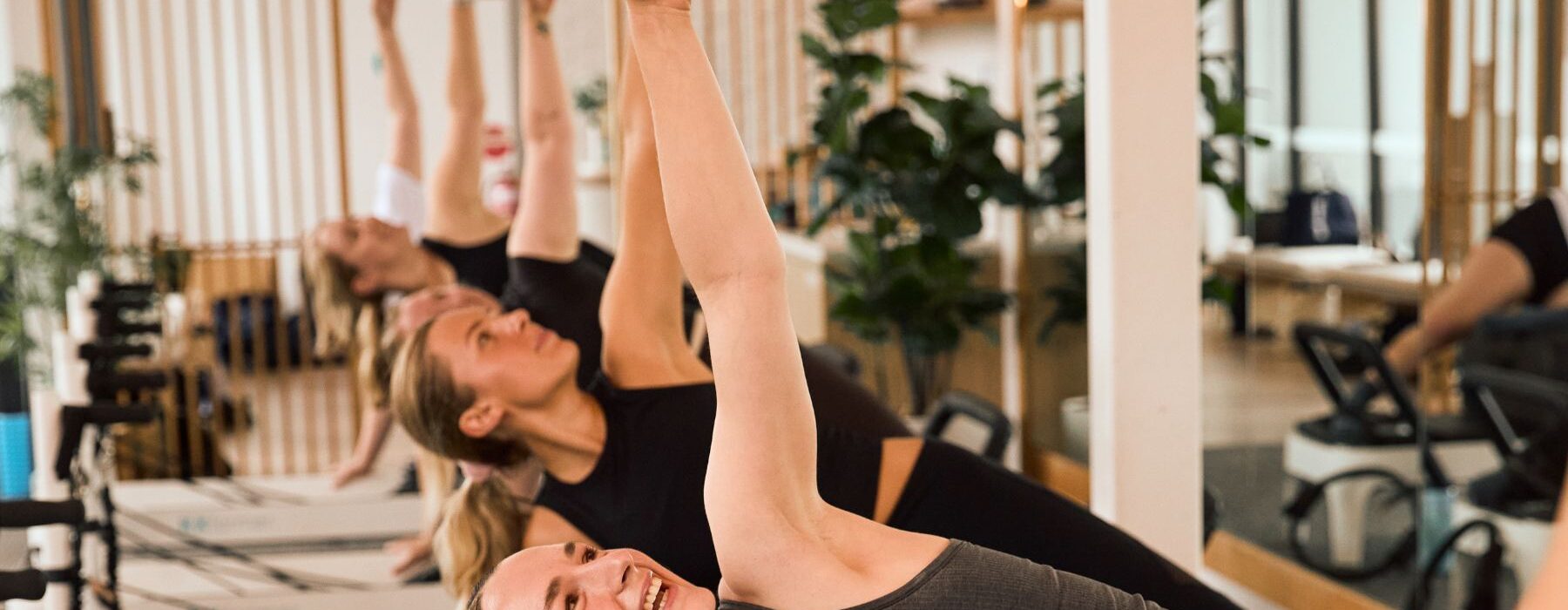
Pilates has a unique way of teaching people how to move well, not just move more. At KX, our teaching framework is built around exposing clients to movement in multiple planes, combining heavier resistance exercises with lighter, stability-focused movements. This means you’re not only developing strength endurance, but also body awareness, balance, coordination, joint control and the ability to stabilise while moving. These are qualities that carry over into everyday life, whether that’s lifting your kids, playing sport, improving your running technique or feeling more confident in the gym.
Pilates also encourages people to pay attention to how they’re moving, not just how much they’re lifting. Developing quality movement patterns alongside strength creates a more resilient body. That’s something that becomes increasingly valuable as we age.
Conversely, what are the benefits of strength training that Pilates can’t fully replace?
Progressive resistance training remains one of the best tools we have for building muscle mass, increasing maximal strength and improving bone density. While our KX Strength classes will never replicate the absolute loads you can achieve in a traditional gym setting, we’ve intentionally designed them to be as close to a progressive strength training program as possible within a Pilates environment. Through progressive programming, carefully managed time under tension, lower repetition ranges, appropriate recovery and a strong focus on progressive overload, we’re able to challenge clients in a way that is distinctly different from a traditional reformer class.
As we age, particularly from our 30s onwards, we naturally begin to lose muscle mass unless we actively work to maintain it. Purposeful strength training becomes increasingly important for preserving muscle mass, supporting bone health, maintaining metabolic function and helping people remain independent later in life.
If someone’s goal is to maximise muscle growth or significantly increase the amount of weight they can lift, a traditional gym environment will always provide greater loading potential. For many people, however, a progressive reformer-based strength program offers an approachable and effective way to build meaningful strength, while still benefiting from the movement quality, stability and control that Pilates is known for.
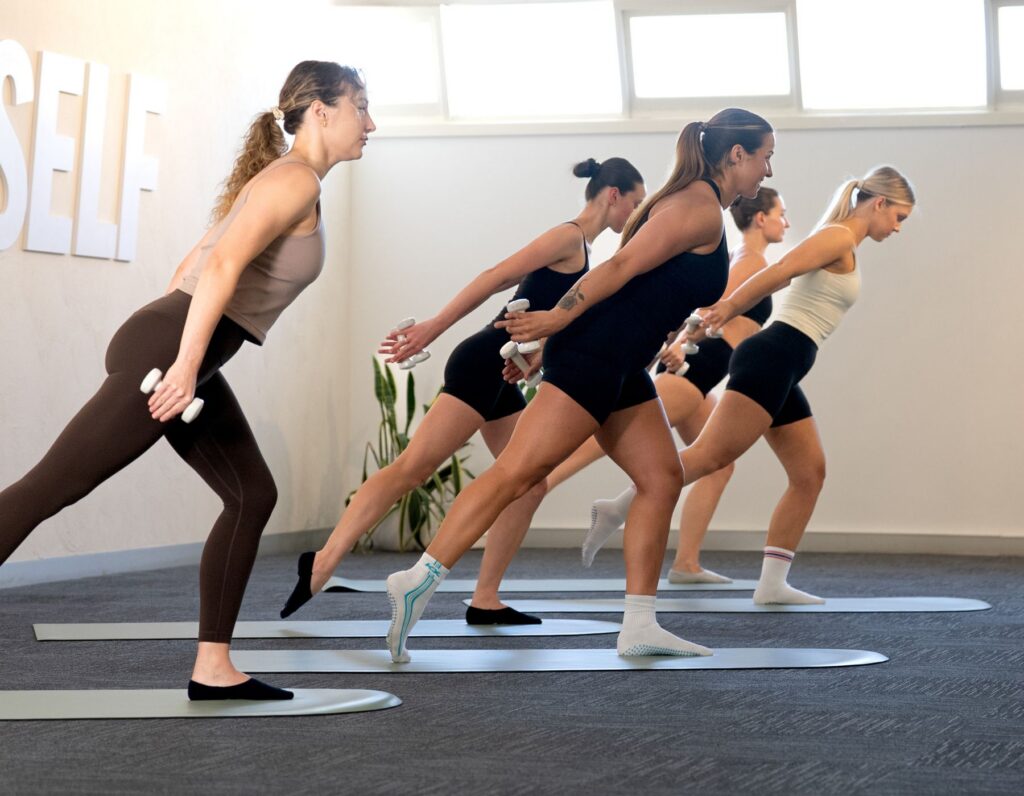
If someone only has time for one type of workout each week, how should they decide which is right for them?
Only around one in four adults are meeting the minimum physical activity guidelines recommended by health authorities.That tells us the biggest challenge isn’t choosing the perfect workout, it’s helping people move more, more often.
That’s why my advice is always to choose the type of exercise you genuinely enjoy and can be consistent with. Whether that’s Pilates, strength training, running or something else entirely, consistency and progressive improvement over time will deliver far greater health benefits than constantly chasing the latest trend or the “best” workout.
From there, I’d encourage people to think about what they’re missing. If you already lift weights several times a week, Pilates can provide balance by improving mobility, movement quality and muscular endurance. If you primarily do Pilates and have never challenged yourself with progressive resistance, adding dedicated strength training may be the next step.
The goal isn’t simply to exercise. It’s to build a body that will continue to serve you for decades to come. Muscle strength, bone density, joint mobility, balance and confidence in movement are qualities most of us take for granted until we begin to lose them.
The people who maintain those qualities aren’t usually the ones following the perfect program. They’re the ones who have found a way of moving that they genuinely enjoy. When movement becomes something you look forward to, rather than something you have to do, you’re far more likely to keep showing up year after year. And that’s what delivers the greatest return on your health.
How should someone choose between Pilates and strength training if their goal is weight loss?
Weight loss is influenced by far more than simply choosing Pilates or strength training. Overall energy balance certainly plays an important role, but so do consistency, nutrition, genetics, life stage, movement history, sleep, stress and recovery.
The reality is that most people simply don’t move enough. Anything that helps someone become more active, not just through structured exercise but by encouraging more incidental movement throughout the day, is a positive step for their health.
Both Pilates and strength training burn energy, build lean muscle and support long-term weight management. The real difference is choosing a style of movement you genuinely enjoy, because that’s what creates consistency. Consistency across your nutrition, movement, recovery and sleep will always have a greater impact than the specific workout you choose.
We also underestimate the role recovery plays. High stress, poor sleep and constantly pushing yourself without allowing your body to recover can make it much harder to maintain healthy habits. Incorporating recovery, effective breathing and moments of down-regulation isn’t about doing less. It’s about creating an environment where your body can perform, recover and adapt.
Rather than focusing purely on losing weight, I’d encourage people to focus on building muscle, improving fitness and creating habits they can sustain for life. Healthy body composition is often the by-product of consistently looking after your body, rather than the sole objective.
How do recommendations change for people in their 20s versus their 40s, 50s, and beyond?
Exercise science is still evolving. Historically, much of what we know about training adaptations has been based on younger, healthy men, often athletes or military populations. We’re only now beginning to better understand how different life stages, hormones and sex influence the way people respond to exercise.
That said, the fundamentals remain the same. We all need strength, cardiovascular fitness, mobility and recovery. What changes over time is where we place the emphasis.
In your 20s and 30s, your body is generally more resilient. Recovery tends to be quicker, and you’re often able to tolerate higher training loads and bounce back from periods of stress more effectively. It’s a great time to build movement competency, strength and fitness habits that will serve you later in life.
As we move into our 40s, 50s and beyond, our training needs to become more intentional. Maintaining muscle mass and bone density becomes increasingly important, making progressive strength training and impact-based exercise valuable for long-term health. Joint mobility, balance and movement quality also deserve greater attention, which is where practices like Pilates and yoga play an important role. At the same time, maintaining cardiovascular fitness, particularly VO₂ max, has one of the strongest associations with healthy ageing and longevity.
Perhaps the biggest shift is recognising that recovery becomes part of the program, not something that happens by chance. Prioritising sleep, managing stress, incorporating breathing and down-regulation, and allowing adequate recovery between sessions all become increasingly important as our bodies become less forgiving of constant high stress.
Rather than doing less as we age, we need to train more strategically. A well-rounded approach that combines strength, mobility, cardiovascular fitness and recovery is one of the best investments we can make to stay capable, independent and healthy for the decades ahead.
What’s one piece of advice you wish more people understood about building a sustainable fitness routine?
I wish more people understood that the best exercise isn’t the one that’s scientifically “optimal.” It’s the one that becomes part of your life. Most people don’t need a better program; they need a better relationship with movement. Find something that challenges you, brings you joy, gives you purpose and leaves you wanting to come back. If it also connects you with a community of people who support and motivate you, even better. That’s what helps habits stick.
We spend so much time exercising to change our bodies that we forget the real reason we should move: to protect our future. Strong muscles, healthy bones, mobile joints, a healthy heart and the ability to keep doing the things we love are all built through years of showing up, not weeks of perfection.
My hope is that we stop viewing exercise as a punishment, or something we have to squeeze into our day, and instead see it as an investment in the life we want to live. If we can make movement more accessible, help people find joy in it and create environments where they genuinely want to return, we’ll improve far more than fitness. We’ll improve quality of life.
what you’ll need

ALLFENIX
CloudCore™ Contrast Bind Racer Tank
$98.00
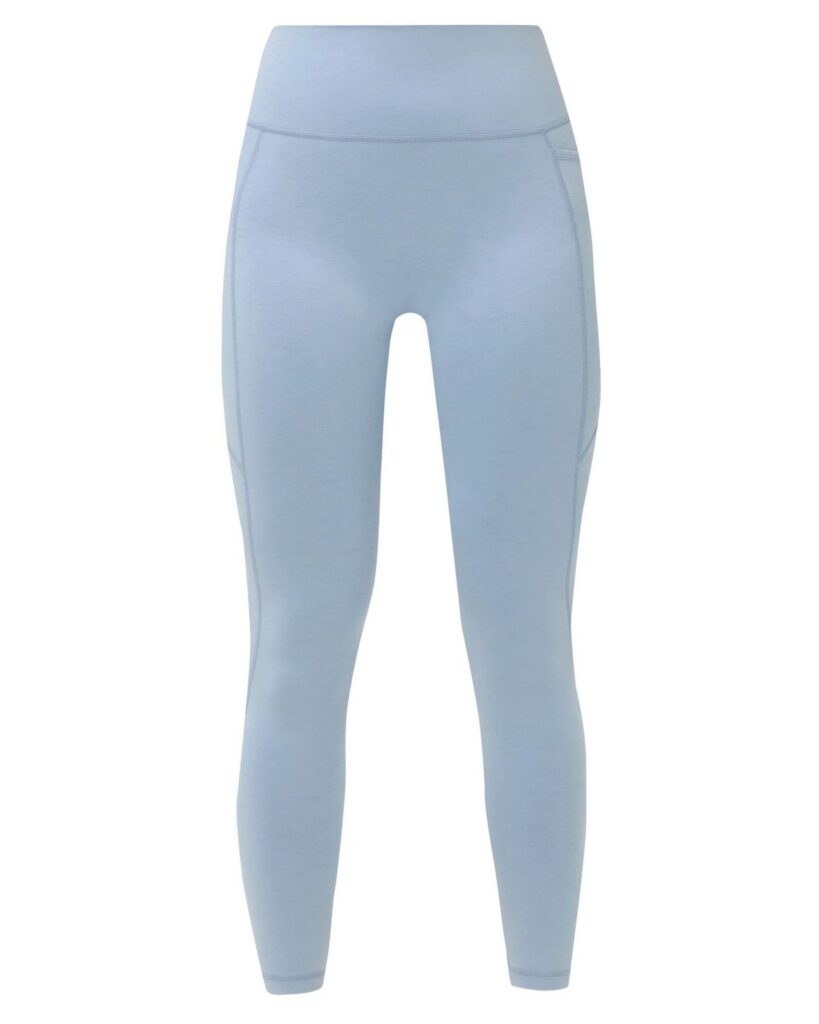
Sweaty Betty
Ultimate Move 7/8 Marl Leggings
$149.00
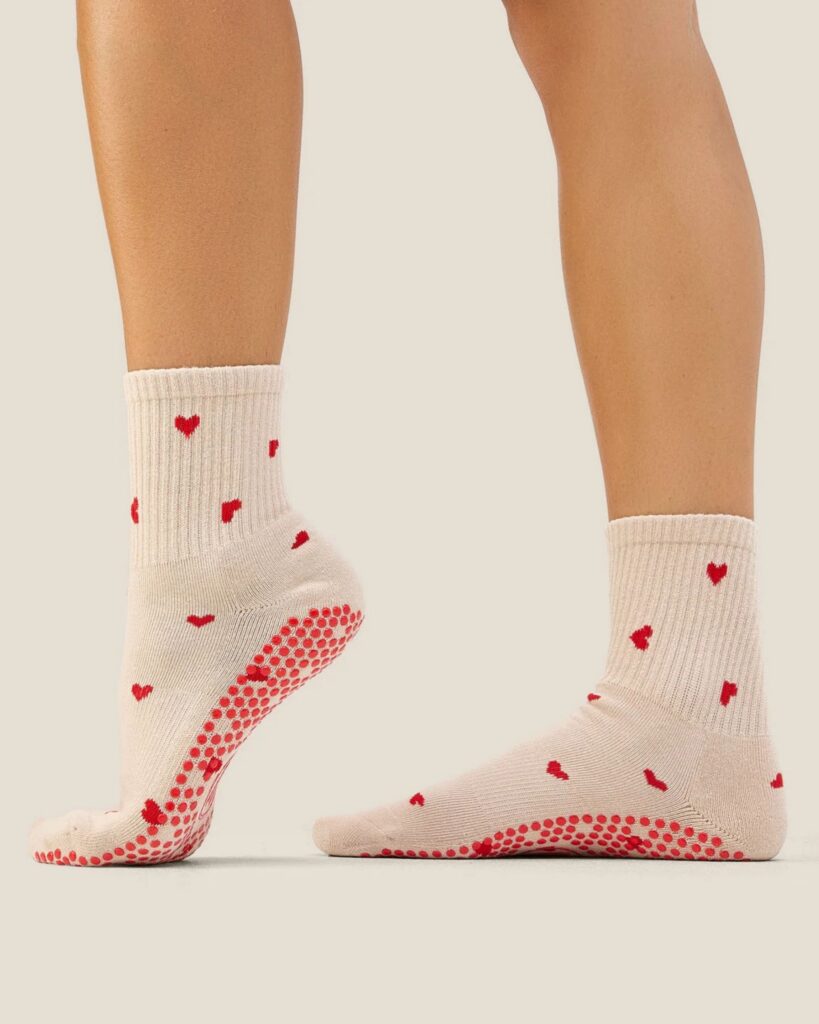
Move Active
Crew Grip Socks
$21.00
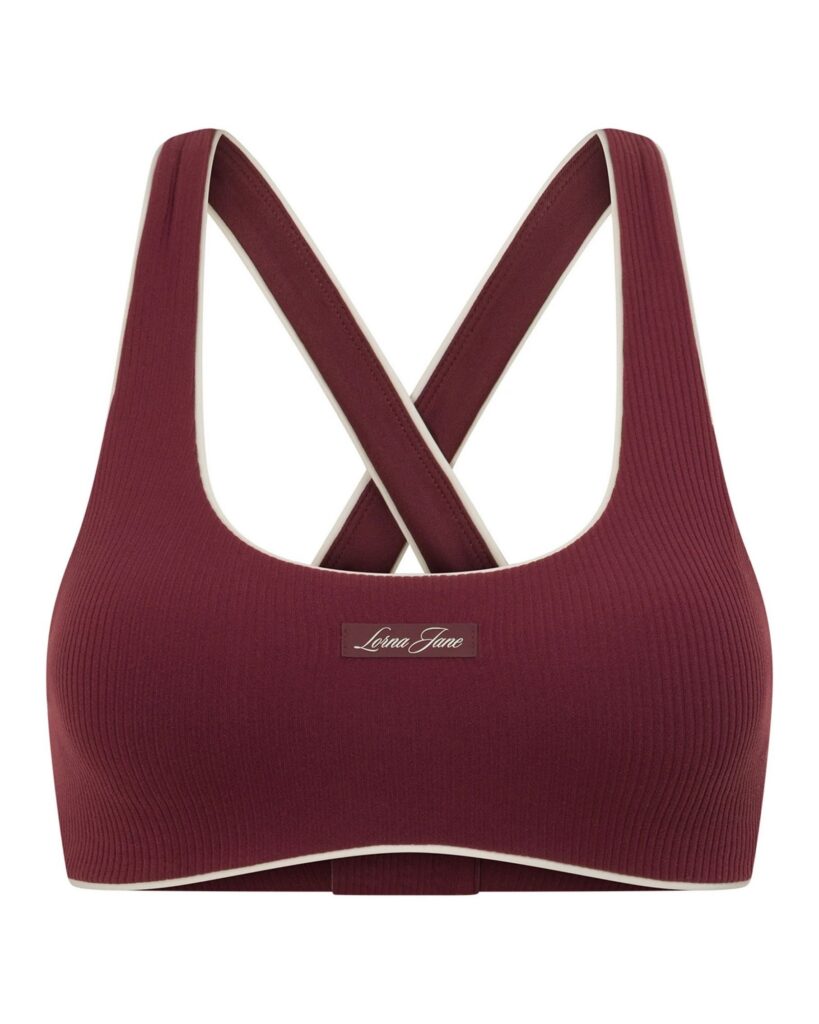
Lorna Jane
Irresistible Rib High Support Sports Bra
$85.00
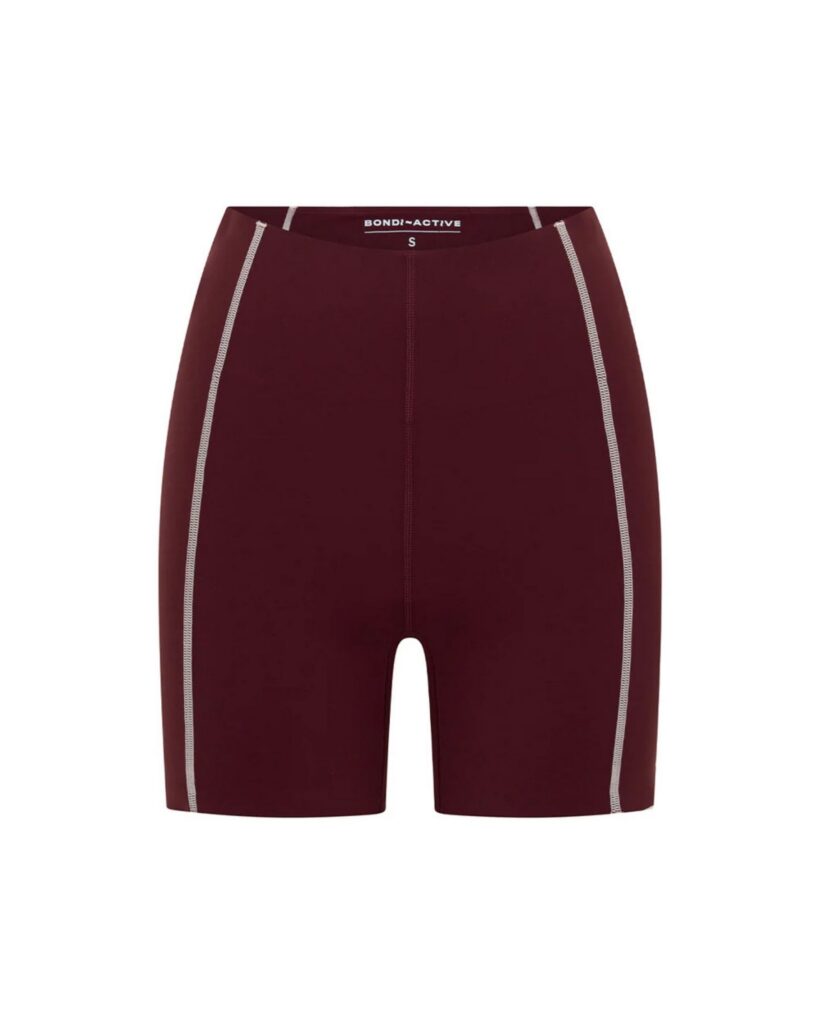
Bondi Active
Forma 12cm Bike Shorts
$96.00
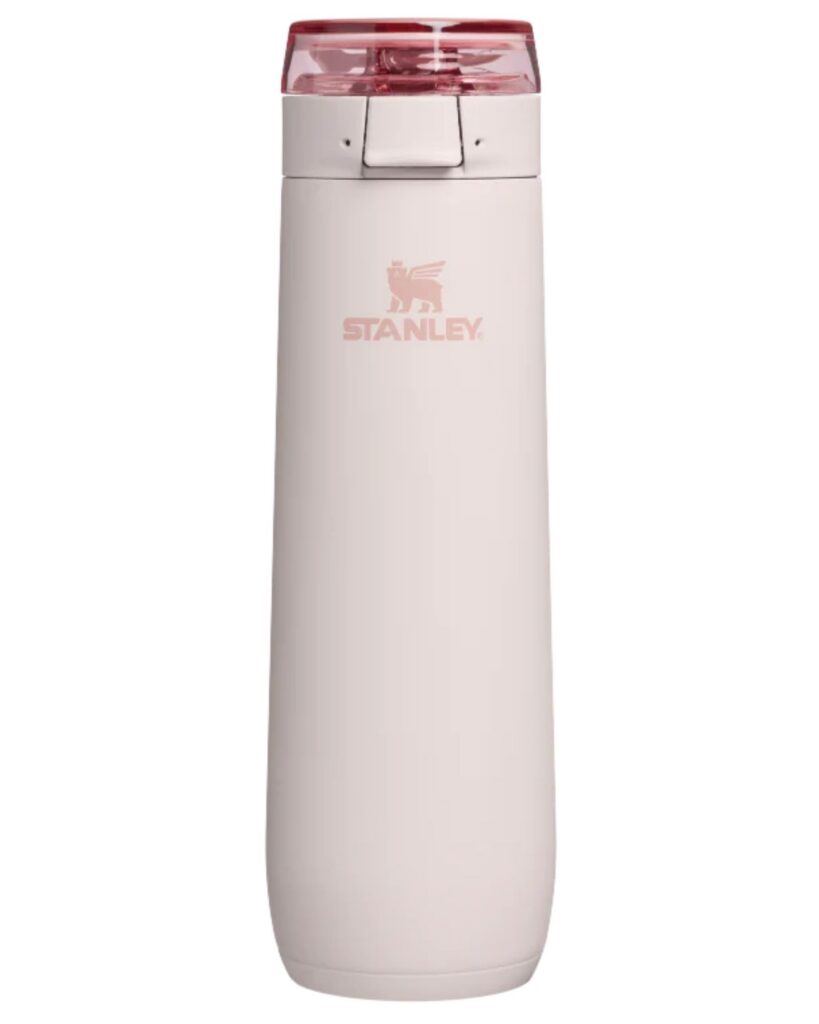
Stanley
The Flowstate™ Spring Bottle
$60.00
Home
Cosy Ways to Make It Through the Last of the Cold Weather
...

Shopping Guide
Shop It: Trending Winter Jackets
...

Shopping Guide
Tax That: Shop The EOFY Sales
...
◼ Filed under Wellness
Weekday Wellness
◼ Filed under Beauty , Culture , Style , Wellness
Shop It: Gifts for the Gals
◼ Filed under Wellness
The Fitness Trends Set to Dominate 2026
Read More Wellness
Read More From En Route

Worth The Splurge: Best Luxury Makeup Brands in Australia
Beauty , Face
10/26

Best Spring Fragrances 2026, Picked by a Beauty Editor
Beauty
Add Image
10/26

No Tricks, Only Treats: The Best Halloween Picks To Shop Now
Beauty
What are you dressing up as?
10/26
come En-Route with us
Sign-up for our newsletter.
By clicking "submit", you agree to receive emails from En-Route and accept our privacy and cookie policy.
En-route to