


Beauty

Your Skin Barrier, Explained: What It Is, Why It Suffers and How to Actually Fix It
With expert advice for serious skincare guidance.
The term “skin barrier” has officially gone the way of “gut health” and “cortisol face” in the skincare landscape: everyone’s saying it, fewer people know what it actually means, and even fewer know what to do when theirs is struggling.
If you’re ready to start the repair cycle, have your Notes app at the ready, as three dermatologists whose work sits right at the intersection of science, skin health and everyday Australian life give us the low-down on what to look for, and how to build a better barrier.
So, What Actually Is the Skin Barrier?
If you’ve been picturing a sort of invisible force field around your face, you’re not entirely wrong. Dr. Bonnie Fergie (MBBS, FACD) is a dermatologist, researcher and the founder of Sydney-based skincare brand Bon Elliot, built on her clinical research into the skin’s microbiome, barrier and repair response.
“The skin barrier is the physical outer layer of the skin, the epidermis,” explains Dr. Fergie. “I think of it like a brick wall where the skin cells are the bricks, and the mortar holding them together is made up of lipids, including fatty acids, cholesterol and ceramides, and specialised adhesive and anchoring structures.”
What makes this so much more than a passive layer is what’s happening on a systems level. Recent research has revealed the skin barrier exists in a dynamic, symbiotic relationship with the skin’s microbiome and its own immune repair response. Damage one, and the others suffer too. It’s this three-part relationship, microbiome, barrier and repair response, that underpins Dr. Fergie’s work at Bon Elliot and the science behind her patent-pending AMBR Complex.
“A well-functioning, intact barrier retains moisture for hydration and defends against physical, chemical and microbial damage,” she adds. “Whereas when the barrier is damaged, skin becomes dehydrated, leading to microbial dysbiosis, irritation and inflammation.”

Dr Bonnie Fergie / Photo: Bec Lorrimer
Why Winter Is Harder on Your Skin Than You Think
The cooler months do a number on the skin barrier in ways that go well beyond “I need a heavier moisturiser.” Dr. Fergie explains that lower temperatures, reduced ambient humidity and indoor heating suppress the skin’s lipid synthesis, impairing the very enzymes responsible for maintaining that mortar-like matrix between your cells.
At the same time, dry air actively pulls moisture from the skin’s surface, increasing what’s known as transepidermal water loss. The result is dehydration triggers an inflammatory response, causing sensitivity and redness even in skin that has never been reactive before.
Dr. Leona Yip (FACD, PhD), who sat on the expert panel for the Australian launch of Vichy Laboratoires, has spoken publicly about the cumulative toll on the skin’s moisture barrier over time. “Both collagen amount and quality decline, our skin moisture barrier weakens, and skin reactivity becomes the new normal for some of us,” she has noted. “These are structural and functional changes that require a more intentional approach to skincare.”
The Everyday Habits Quietly Damaging Your Barrier
The most common culprit is probably sitting on your bathroom vanity: your cleanser.
“The most common way I see people unknowingly damage their skin barrier is by using overly exfoliating or stripping cleansers,” says Dr. Fergie. Harsh formulas, whether physical scrubs or overly concentrated chemical cleansers, can strip the intercellular lipids that hold your barrier together, disrupt the skin’s naturally mildly acidic pH, and cause microscopic tears in the surface.
Her test is reassuringly simple:
Dr. Yip is founding partner and director of Skin Partners in Brisbane, a Fellow of the Australasian College of Dermatologists, Head Dermatologist for Cricket Australia, and one of the most widely cited dermatologists in the Australian media landscape.
She reinforces this point from a formulation angle, advising that if you are using retinoids or AHAs, you should always treat and moisturise afterwards to avoid stripping the skin of its natural barrier, and that niacinamide is an ideal pairing precisely because it improves hydration and skin barrier function while soothing the irritation those actives can cause.
For those already dealing with a disrupted barrier, Dr. Fergie’s very own Bon Elliot Hydrating Performance Serum was formulated specifically to address this. It combines biosimilar ceramides, probiotics and antioxidants to rebuild the barrier, restore microbiome balance and support the skin’s own repair response. In an independent eight-week clinical trial, 97% of users reported their skin felt more hydrated and comfortable, and 94% noted improved firmness and elasticity.
The UV and Barrier Connection Most People Miss
Sun protection is most commonly discussed in the context of skin cancer and ageing, but UV radiation has a direct and significant effect on the skin barrier itself.
“Ultraviolet radiation damages the skin barrier primarily through the formation of reactive oxygen species and other free radicals,” Dr. Fergie explains. “These cause the breakdown of lipids, structural proteins and tight junctions (the mortar) and damage to skin cells (the bricks), leading to increased trans epidermal water loss and dehydration.”
Dr. Shreya Andric (FACD, B. Med. Sci, MBBS Hons) is co-director and principal dermatologist at Northern Sydney Dermatology and Laser, and a board member of the Australasian Society of Cosmetic Dermatologists, who you may also know from the MECCA Talks podcast where she appeared alongside Naked Sundays founder Samantha Brett to unpack the truth about SPF.
Dr. Andric reinforces the year-round urgency in the Australian context. She advises that sunscreen should be applied and reapplied to exposed areas on a daily basis, noting that UVA is present year-round and can penetrate through cloud cover.
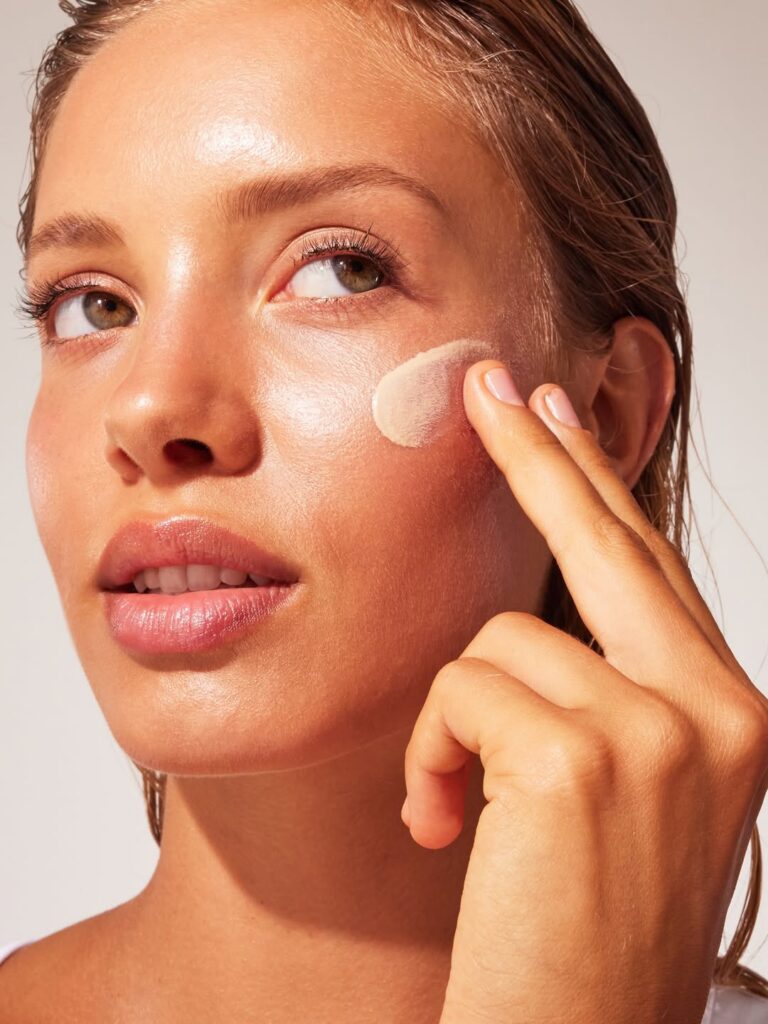
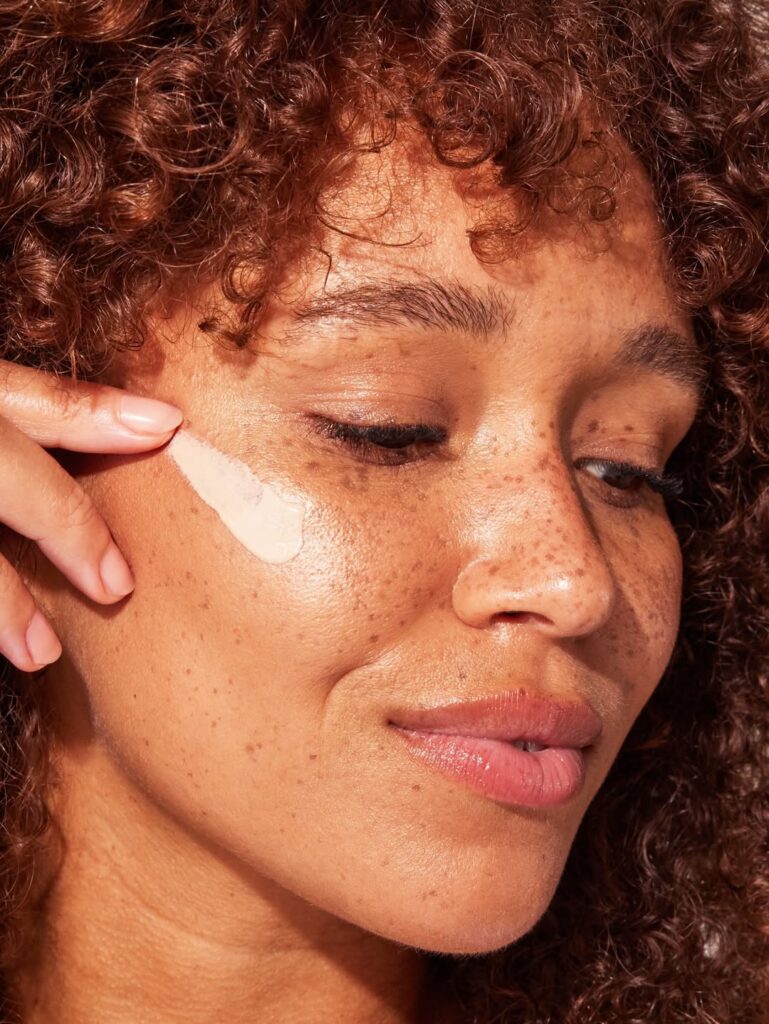
This is where a barrier-supporting SPF primer earns its place in the routine. Naked Sundays BeautyBarrier is a smoothing, skin-perfecting primer with broad-spectrum mineral SPF50 that also helps soothe your skin barrier in one step. It contains Cica (Centella Asiatica), an ingredient known for its soothing and skin-repairing properties, as well as Zinc Oxide, which provides broad-spectrum UVA and UVB sun protection suitable for sensitive skin. It’s a mineral SPF primer designed to support the skin barrier, and it is non-comedogenic, fragrance-free and water resistant for 80 minutes. (Always use as directed.)
Photography: Lucy Alcorn
How To Tell If Your Barrier Is Compromised
“The most common sign your skin barrier is compromised is when you are experiencing new onset sensitivity, or dryness or tightness with water or products that haven’t bothered you before,” says Dr. Fergie. Visually, you might see redness, blotchiness and dullness. The skin can feel rough, flaky and reactive, and symptoms may not settle within days even with a gentle moisturiser.
The reassuring part: it recovers. “It can take two to four weeks for your barrier to recover once damaged,” she says. “Slow and steady and gentle treatment is the way forward.”
The Ingredients To Look OUT For
When it comes to rebuilding a compromised barrier, the research converges on a clear cast of characters.
Dr. Fergie’s work has led her to focus on three elements working simultaneously: biosimilar structured ceramides, probiotics and antioxidants. “Biosimilar ceramides structured in a way that mimics the skin’s natural lamellar lipid bilayer are more readily incorporated into the barrier than structureless ceramides,” she explains. The formulation approach matters as much as the ingredient list.
Dr. Yip makes a strong case for niacinamide specifically: the ingredient improves hydration and skin barrier function across all skin types, is well tolerated even on sensitive and reactive skin, and acts as a useful buffer when using stronger actives. In her words, it’s an ingredient worth pairing with almost anything.
The most trusted dermatologists consistently point to ceramides, hyaluronic acid and niacinamide as the core trio for barrier repair. If you’re ready to build a better barrier, read on for our top selection of skin-loving goodies which highlight these hero ingredients.
THE EN-ROUTE EDIT: WHAT TO REACH FOR
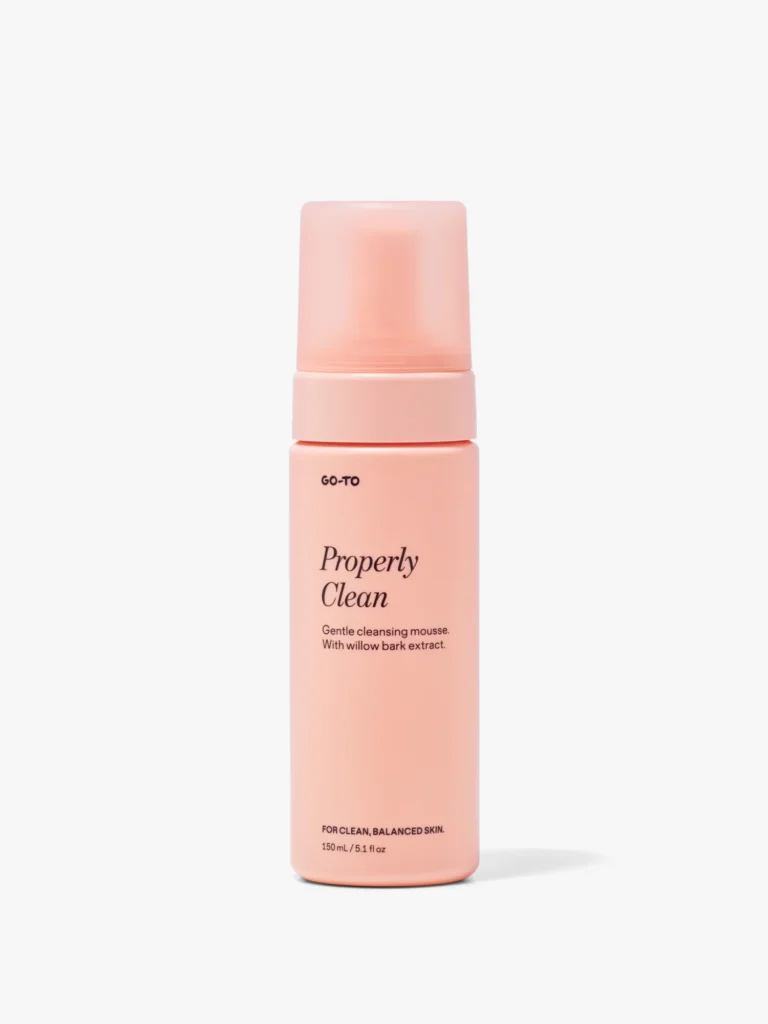
Properly Clean Smoothing Facial Cleanser
Go-To
Price: $33.00
CLEANSER:
It’s called Go-To for a reason. A gentle, pH-balanced water-based cleanser that does its job without stripping the barrier in the process. Australian-made, fragrance-free and a consistent recommendation from Australian dermatologists for its balance of efficacy and gentleness. Use Dr. Fergie’s ten-second tightness test after washing: if your skin feels tight or dry, it’s time to swap!
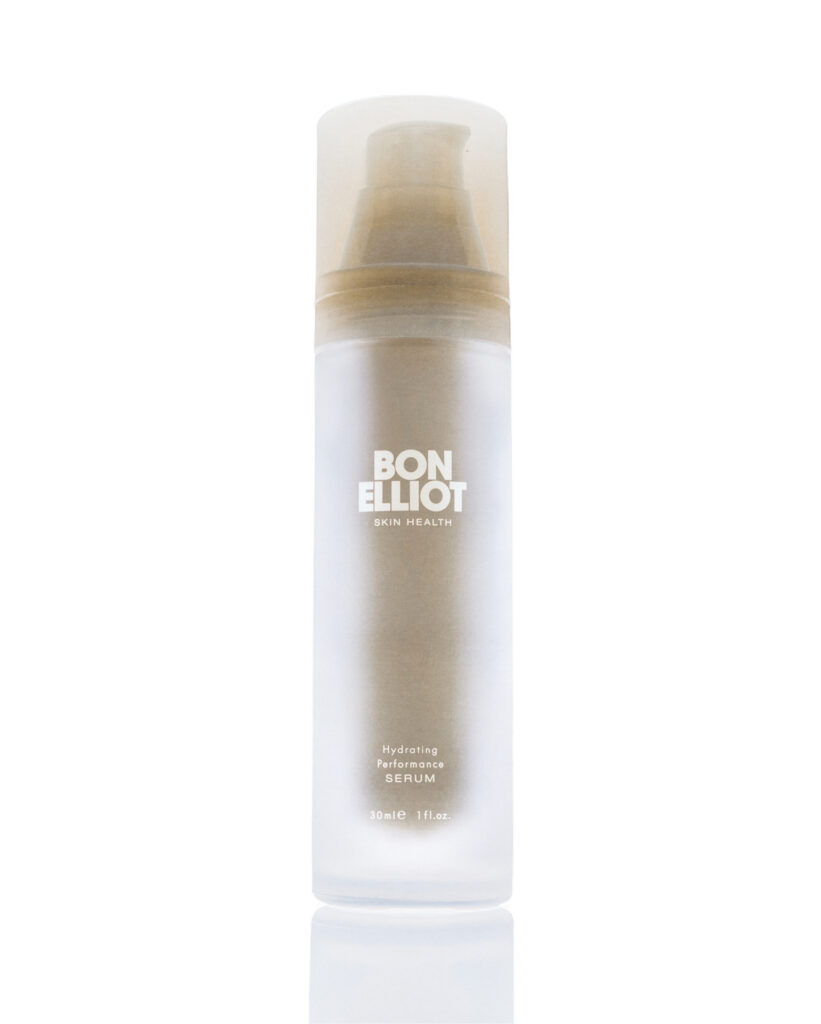
Hydrating Performance Serum with AMBR Complex
Bon Elliot
Price: $220.00
SERUM:
Developed by Dr. Fergie and rooted in her clinical research into the microbiome-barrier-repair relationship. Her patent-pending AMBR Complex combines biosimilar ceramides, prebiotics, probiotics and optimised antioxidants to rebalance the skin’s natural health networks. And what does all that do for your skin? It strengthens the barrier, supports a healthy microbiome and reduces the harmful effects caused by environmental damage. Made in Sydney (because we love an Australian-made, female-founded company).
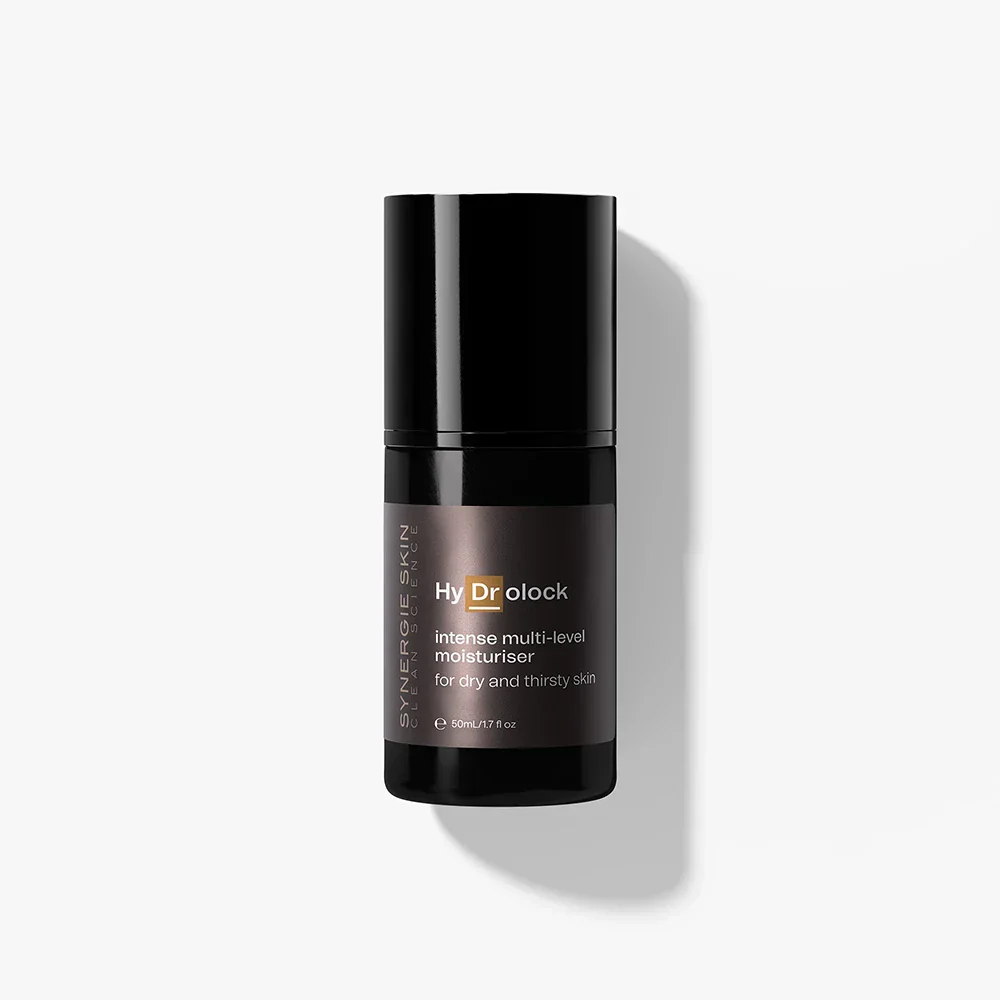
HyDrolock
Synergie Skin
Price: $155.00
MOISTURISER:
An Australian-made, cosmeceutical-grade moisturiser from a brand built on derm-trusted, zero-irritant formulations. Synergie Skin’s moisturiser lineup combines niacinamide, prebiotics, probiotics and barrier-strengthening actives in fragrance-free, non-comedogenic formulas, aligning directly with what our experts collectively recommend. Tick, tick, tick! It’s available through professional skincare clinics and online.
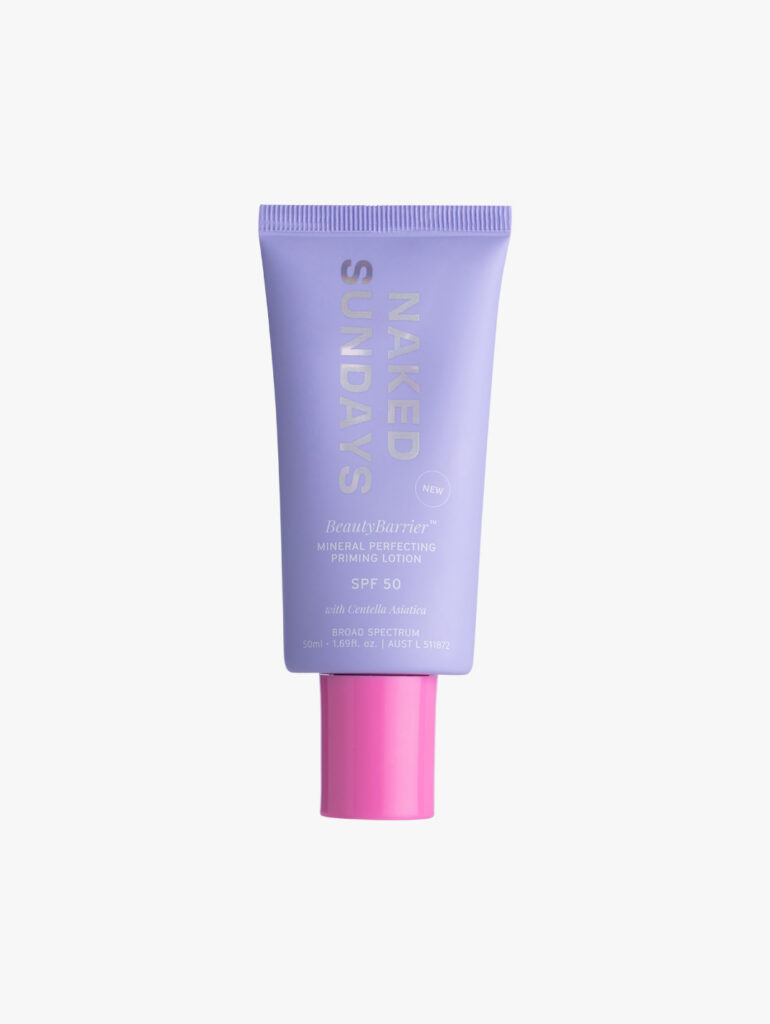
BeautyBarrier Mineral Perfecting Priming Lotion SPF50
Naked Sundays
Price: $39.95
SPF:
BeautyBarrier is a smoothing, skin-perfecting primer with broad-spectrum mineral SPF50 that also helps soothe your skin barrier in one simple step. It’s been formulated with powerful key ingredients like Cica (Centella Asiatica), which can help calm and soothe the skin while supporting the skin barrier and Zinc Oxide, which provides broad-spectrum sun protection and is well suited to sensitive skin. The formula is non-comedogenic, fragrance-free, acne-friendly and 80-minute water resistant. You can wear alone for a soft-focus finish or under makeup as a gripping primer base. And it’s suitable for sensitive skin!
Always use as directed.
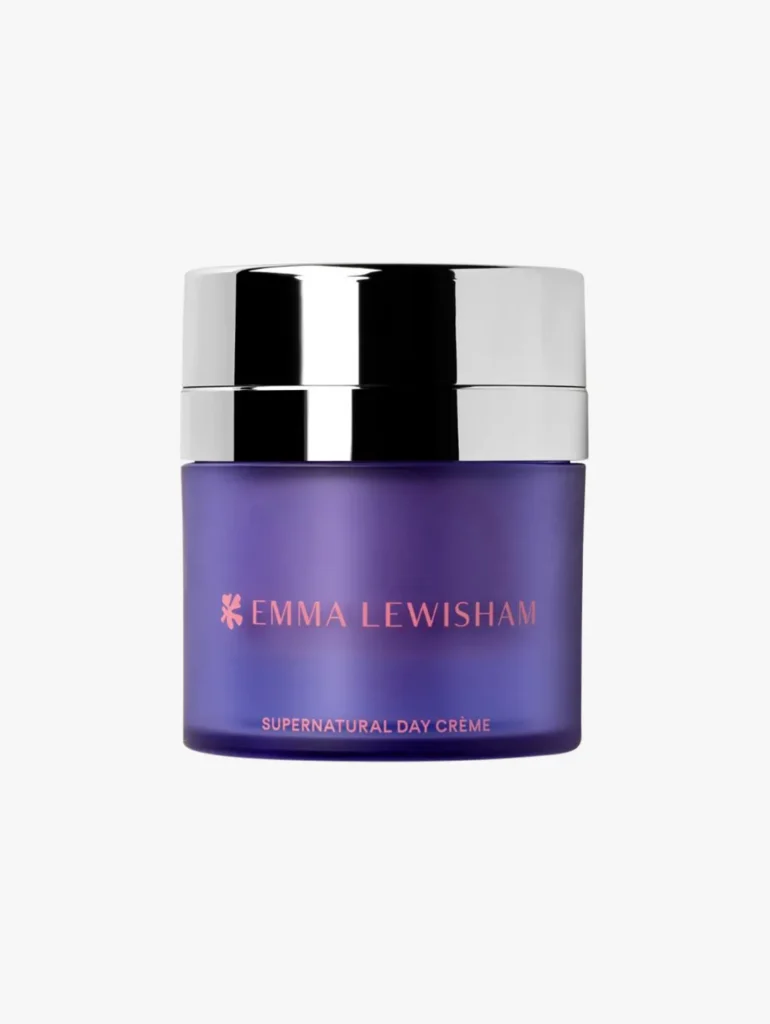
Supernatural Day Creme
Emma Lewisham
Price: $128.00
LUXE TREATMENT:
The New Zealand-born, Sydney-stocked brand with clinical-grade formulas and a carbon-positive footprint. The Supernatural Day Creme combines ceramides and phytoactives to fortify the skin barrier with multiple molecular weights of hyaluronic acid for sustained hydration. Comes in refillable packaging and is formulated around the same three pillars (microbiome, barrier and repair status) that we’ve heard about from our experts.
*Information in this article is general in nature. For personalised skincare advice, consult a dermatologist or healthcare professional.
**While this article has been created in sponsored partnership or gifted product with some of the featured brands, all views expressed are our own. We only feature and recommend products that we have genuinely considered, believe in and feel align with our editorial standards. — Team En-Route

Home
Cosy Ways to Make It Through the Last of the Cold Weather
...

Shopping Guide
Shop It: Trending Winter Jackets
...

Shopping Guide
Tax That: Shop The EOFY Sales
...
◼ Filed under Beauty
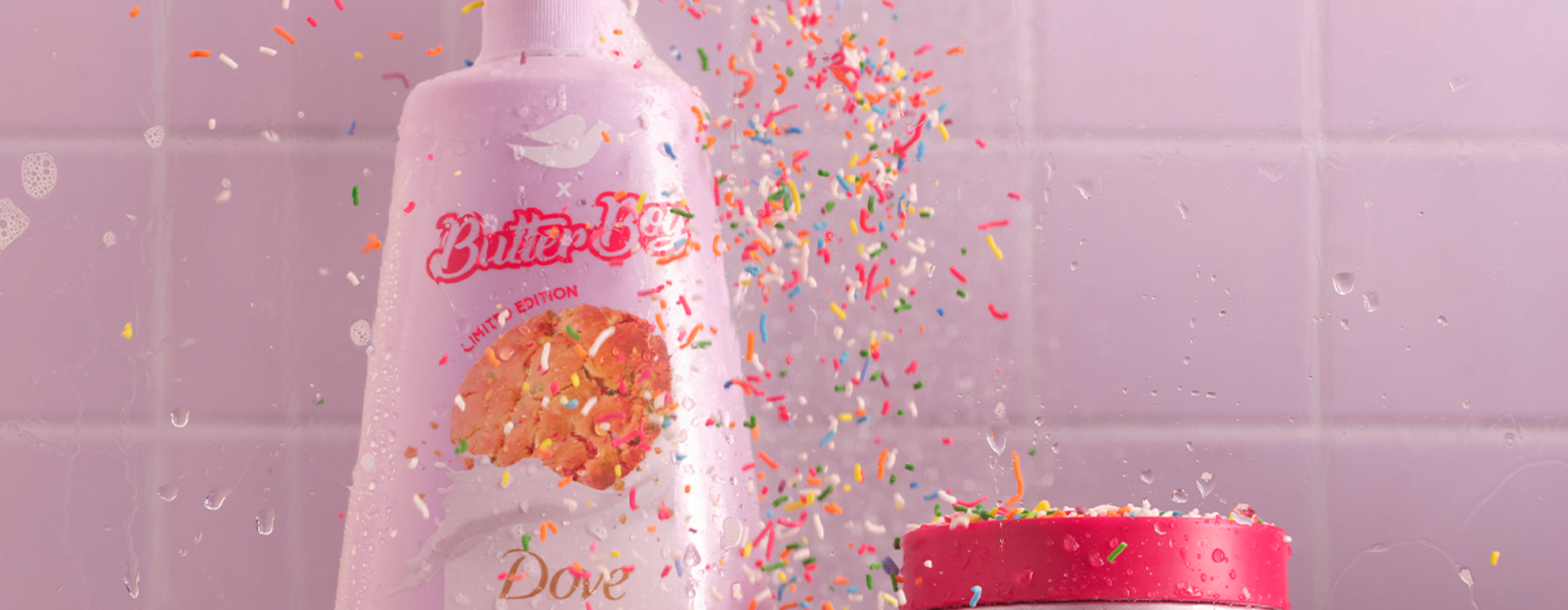
Order Up! The Dove x Butter Boy Range Has Hit Shelves, and Here’s Where You Can Shop Now
Like a sweet treat for your skin...
◼ Filed under Beauty , Face
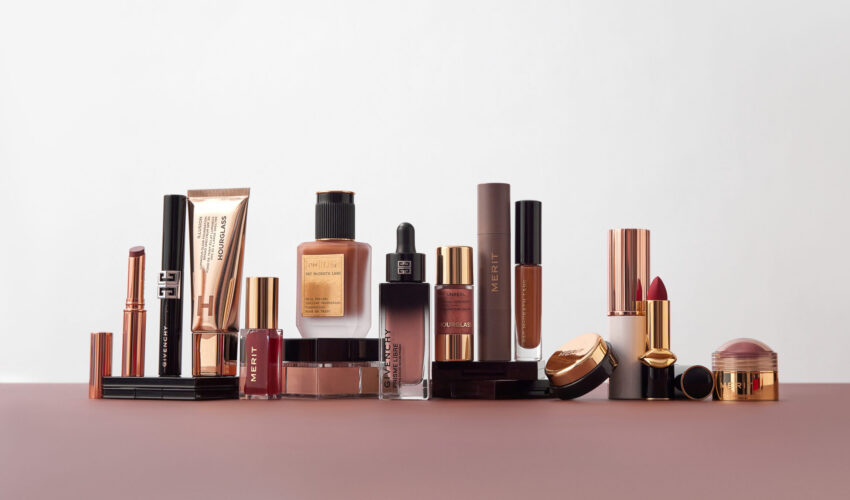
Worth The Splurge: Best Luxury Makeup Brands in Australia
◼ Filed under Beauty
Best Spring Fragrances 2026, Picked by a Beauty Editor
Add Image
Read More Beauty
Read More From En Route

Just In! Be In The Know Fridays
Culture
10/26
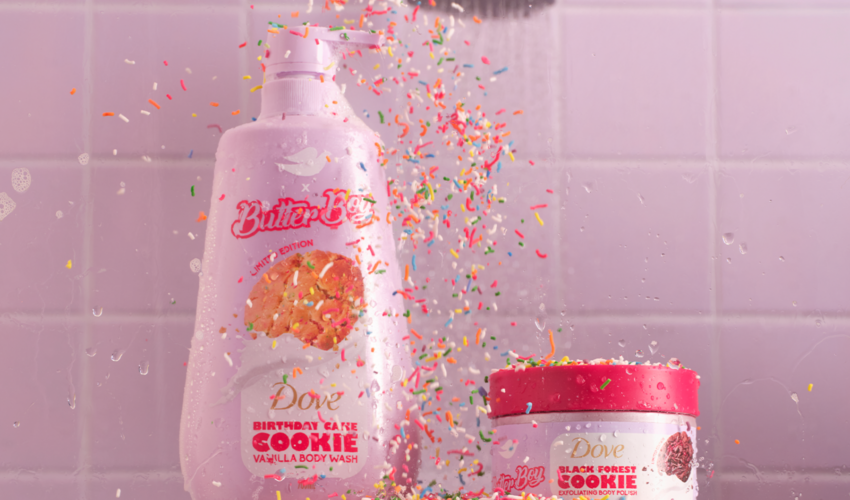
Order Up! The Dove x Butter Boy Range Has Hit Shelves, and Here’s Where You Can Shop Now
Beauty
Like a sweet treat for your skin...
10/26

Best In Town: Top 8 Things To Do In November
Culture
10/26
come En-Route with us
Sign-up for our newsletter.
By clicking "submit", you agree to receive emails from En-Route and accept our privacy and cookie policy.
En-route to